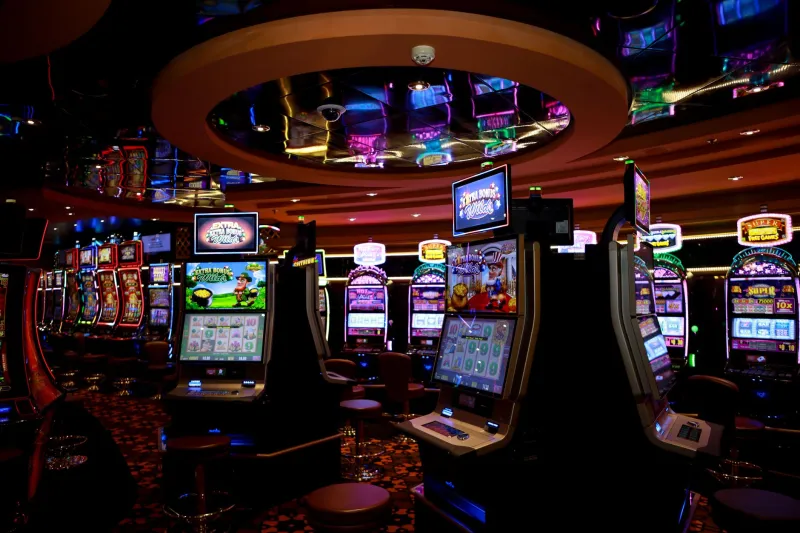
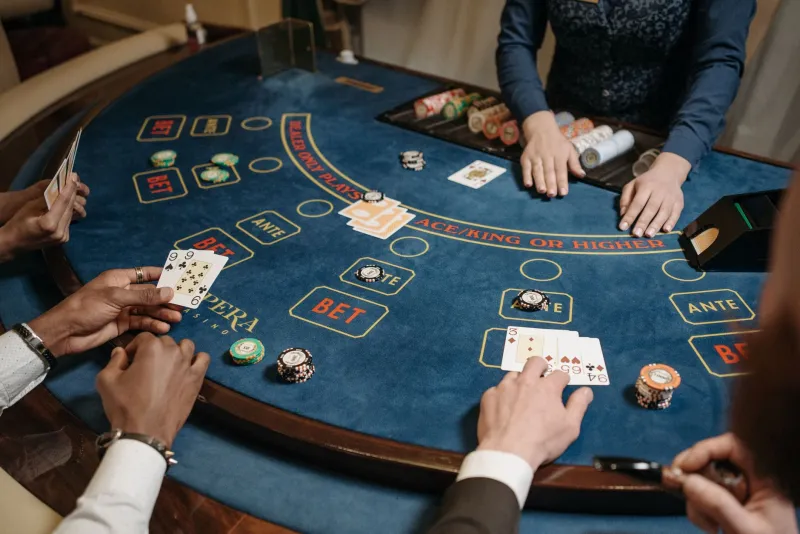
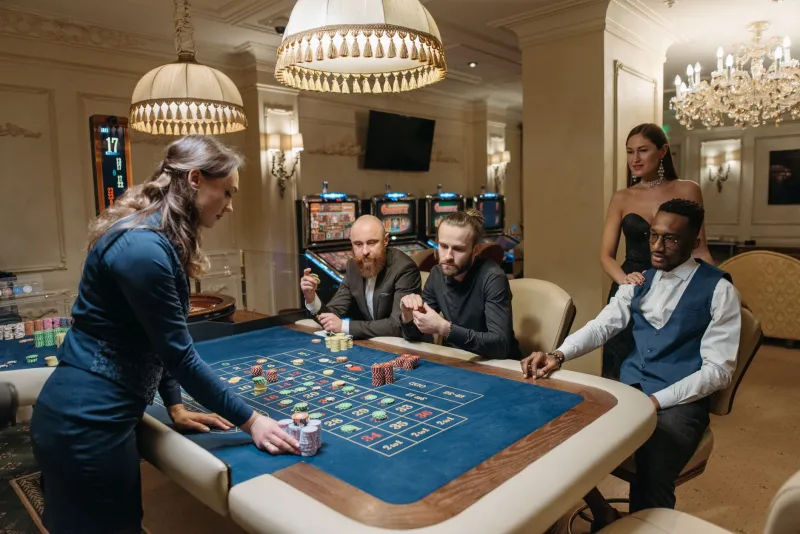
RIP the All-You-Can-Eat Buffet? Where Casino Dining Goes After the Crab Legs Run Out
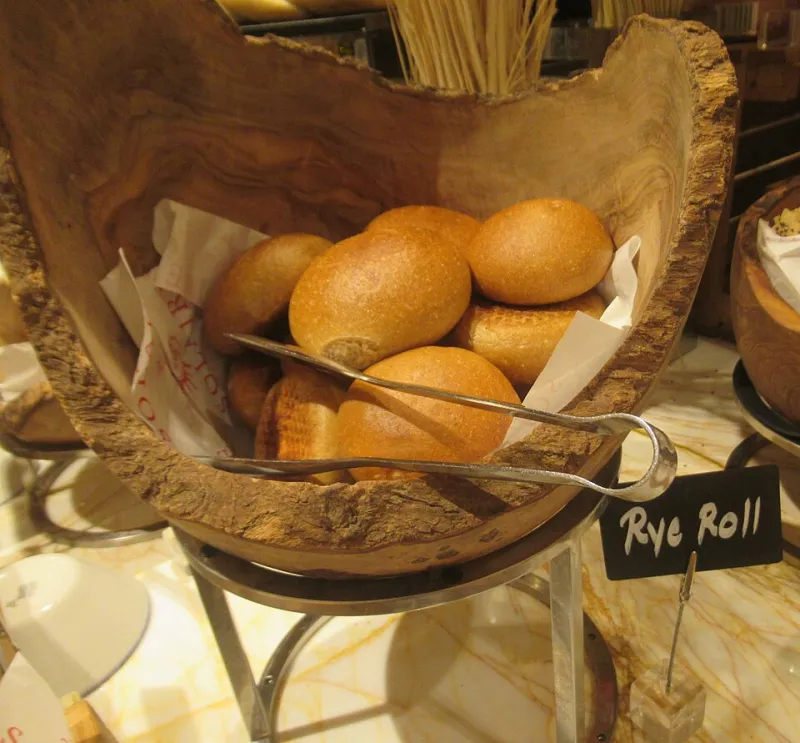
Photo: Unknown, CC BY-SA 4.0, via Wikimedia Commons
There was a time when the casino buffet wasn't a perk — it was the whole point. You'd grind out four hours of $10 blackjack, pocket your player card, and walk triumphantly to a tray of prime rib and crab legs that felt like the real jackpot. That era is ending, and it's ending fast.
Across the US, casinos are tearing out buffet lines at a surprising clip. In their place: food halls with a dozen vendors, celebrity chef outposts, fast-casual counters, and grab-and-go markets that stay open at 3 a.m. when the munchies hit hardest. If you've been away from the floor for a few years, the dining scene might be barely recognizable.
So What Actually Killed the Buffet?
A few forces converged at once, and none of them are exactly a mystery.
Labor math stopped working. A buffet is one of the most staff-hungry operations in any casino. You need line cooks, carvers, attendants, dishwashers, and a kitchen running at full capacity for hours before, during, and after service. Post-2020, labor costs spiked and staffing got harder. A food hall with six independent vendors? The casino collects rent and a cut of sales while someone else carries the payroll risk.
Food waste became a boardroom problem. Buffets are notorious for tossing enormous quantities of unserved food every night. Food halls and made-to-order concepts slash that waste dramatically, which matters both for margins and for the sustainability reports casinos now publish.
The player changed. Here's the part that hits closest to home for our community: the gambler who wants a $24.99 trough of everything is aging out of the demographic pipeline. Younger players coming up through sportsbooks and online platforms have grown up on DoorDash, food trucks, and build-your-own-bowl concepts. They don't romanticize the buffet. They've never known it.
The New Casino Food Court, Decoded
Walk into a newly built or recently renovated property and you'll likely find a hybrid model:
- A central food hall — think a dozen stalls ranging from poke bowls to BBQ to a ramen counter, often with local operators rather than national chains.
- One or two chef-driven restaurants carrying a recognizable name, built more for the weekend tourist and the Instagram photo than the Tuesday-night regular.
- A 24-hour grab-and-go market stocked with sandwiches, snacks, and energy drinks — the spiritual successor to the buffet's real job, which was keeping players on the floor without a long sit-down interruption.
Notice what that last one means. The buffet was never really about the food. It was about solving a logistics problem: how do you feed a player quickly, cheaply, and get them back to the tables? The grab-and-go market does the same thing with less overhead and no line of people waiting for a fresh pan of crab legs.
Where the Buffet Tradition Still Lives
If you're a buffet loyalist, don't panic — the institution survives, just unevenly by region.
Las Vegas has become buffet bifurcation. The mega-resorts on the Strip have largely gone upscale or exited the game entirely, but a handful of properties keep the tradition alive, often at premium prices that would've shocked the 2005 player. Off-Strip and downtown, you'll still find honest-to-goodness value buffets catering to locals and repeat visitors.
Reno and Northern Nevada remain surprisingly buffet-friendly. The local player base expects them, and properties that serve a loyalty-driven crowd have kept them running.
Tribal casinos in Oklahoma, Michigan, and Washington often maintain buffets as weekend anchors, especially Friday seafood nights that function as community events as much as dining.
Atlantic City has thinned out considerably, with several boardwalk properties converting buffet spaces into food halls or banquet capacity.
The pattern is clear: buffets survive where a loyal, local, repeat-visit player base demands them, and they die where tourism volume makes food halls more profitable per square foot.
Is the Food Comp Still Worth Chasing?
Here's the practical question for your loyalty strategy. The old advice — "rack up points, eat free" — assumed food comps were abundant and generous. That's shifted.
Buffet comps are still among the easiest food rewards to earn on most player cards, since the casino controls the cost directly. But as buffets disappear, casinos are nudging players toward food credits, dining dollars, or discounted-rate offers at their chef-driven restaurants — venues where a single entrée can burn through a comp dollar amount that used to cover the whole buffet plus tip.
Our take after talking with players across several markets: food comps are still worth using, but stop building trips around them. The real value in 2025 loyalty programs has migrated toward free play, hotel nights, and event access. Treat the food comp as a nice discount on a meal you were buying anyway, not as the destination.
And if you're chasing that last buffet in your market? Go on a weeknight, go early in the service window, and tip your server like the regular you're trying to become. Some traditions are worth keeping alive — just don't expect the casino to do it for free.