Build Your Own Table: Why a Self-Made Casino Crew Outearns Any Tier Card
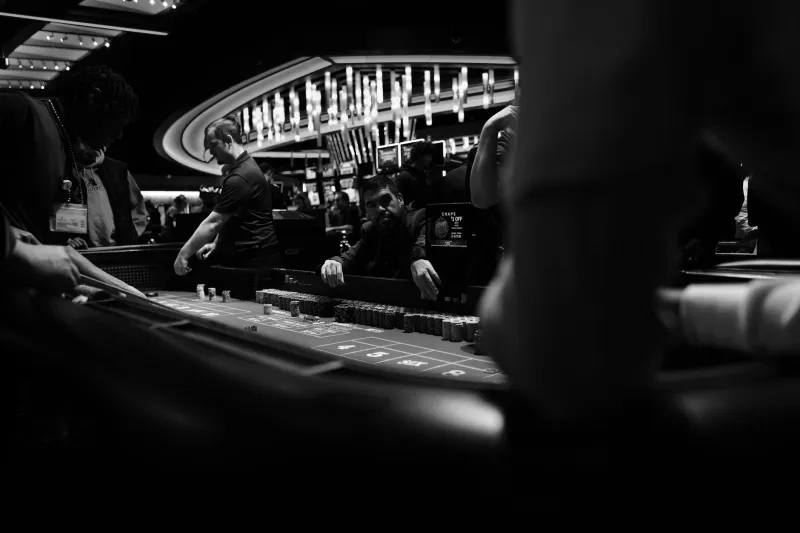
Every casino in America has them. The Tuesday night craps contingent at Borgata. The slot squad that claims the same bank of machines at a tribal casino outside Tulsa. The Friday poker crew that's held the same two tables at a Midwest cardroom since before the pandemic.
Nobody issued them membership cards. Nobody emails them about their points balance. And yet, walk up to any of these groups and ask how they're doing, and you'll get an answer no loyalty program can generate: we've got a system.
What the Comp Math Doesn't Show
Here's the uncomfortable truth about tier points: they're a marketing ledger, not a friendship ledger. The casino knows exactly how much you've lost because that's the number that matters to them. What the player's card doesn't track is whether anyone saved you a seat, whether anyone noticed you were tilting, or whether anyone offered to split an Uber from the parking garage.
A self-organized crew tracks all of that for free.
Think about what actually drains a casual player's bankroll over a year: solo trips that turn into marathon sessions, no one to pull you off a cold streak, full-price hotel rooms booked on a whim, and the slow drift toward playing games you don't even like because nobody's around to say "why are you on this machine?"
A regulars' group patches every one of those leaks. Not with comps — with people.
The Real Perks of a Homemade Club
Ask around any long-running player group and you'll hear the same catalog of benefits, none of which require a host's blessing:
- Group rates, unofficially. Six people booking the same casino hotel on the same weekend is a block booking. Someone in the crew makes a call, and suddenly you're getting a rate no tier card would grant a mid-level player. Casinos deal with volume, even small volume.
- Shared transportation. Ride-shares to regional casinos, splitting gas on the Vegas run, chartering a van for the riverboat trip. The math gets silly fast when four people split costs.
- Bankroll honesty. When your crew knows you came with $300, the question "you good?" after your third rebuy hits different than the silence of playing alone. This is the accountability piece that solo willpower never quite nails.
- Information arbitrage. Which tables have the friendliest dealers, which machines on the floor actually pay, which days the poker room runs soft. One person learns it; the whole crew benefits.
- The trip still happens when motivation dips. Commit to a crew and the Friday plan survives the week you would've bailed. That consistency — showing up on a schedule, not on a whim — is quietly one of the best bankroll protections there is.
Founding One From Scratch
If your regular casino doesn't have a crew you can slide into, start one. It's less complicated than it sounds, but it does take deliberate moves:
1. Show up at the same time, reliably. Every lasting crew began with one or two people who simply became fixtures. Same night, same tables, same window. Familiarity does the recruiting for you.
2. Talk to the other fixtures. The guy who plays the same $5 blackjack table every Thursday has noticed you too. A comment about the dealer, a shared groan at a cold shoe — that's the whole onboarding process.
3. Move the conversation off the floor. A group text is the constitution of every player crew ever formed. Get numbers, make a thread, name it something dumb. The dumbness matters — it signals this is social first.
4. Set the ground rules early. What's the buy-in culture? Is borrowing between members okay or absolutely not? Does the crew eat together or does everyone scatter? Five minutes of awkwardness now prevents a season of resentment later.
5. Keep it small, then let it breathe. Four to eight people is the sweet spot — enough for a craps crew or a full poker table, small enough that everyone knows everyone. Let new regulars earn their way in; the crew's chemistry is the asset, so guard it.
Why This Beats Chasing the Next Tier
There's a certain kind of player who grinds out points for a tier they'll hold for eleven months and mostly use for a discounted buffet. That's fine — the program is free and the perks are real. But compare the two ledgers side by side.
The tier card gives you: points back on losses, occasional free play, maybe a room offer when the casino's marketing algorithm decides you're worth retaining.
The crew gives you: cheaper trips every time, a social reason to keep sessions short and scheduled, people who notice when your play changes, and a standing reservation at the best seat in the building — the one next to friends.
One of these systems is designed to increase your play. The other tends to right-size it. Guess which one leaves players happier a decade in.
The Club With No Dues
The casinos understand something worth stealing: people come back for belonging more than for bonuses. They just hope you'll find that belonging through their app. You don't have to.
The best loyalty program in American gambling doesn't have a name, a tier structure, or a points balance. It has a table, a night of the week, and a group text that's probably blowing up right now with someone arguing about where to eat after the session.
Find it. Or better yet, start it.