All You Can Eat, All You Can Spend: How the Casino Day Trip Became America's Favorite Weekend Package

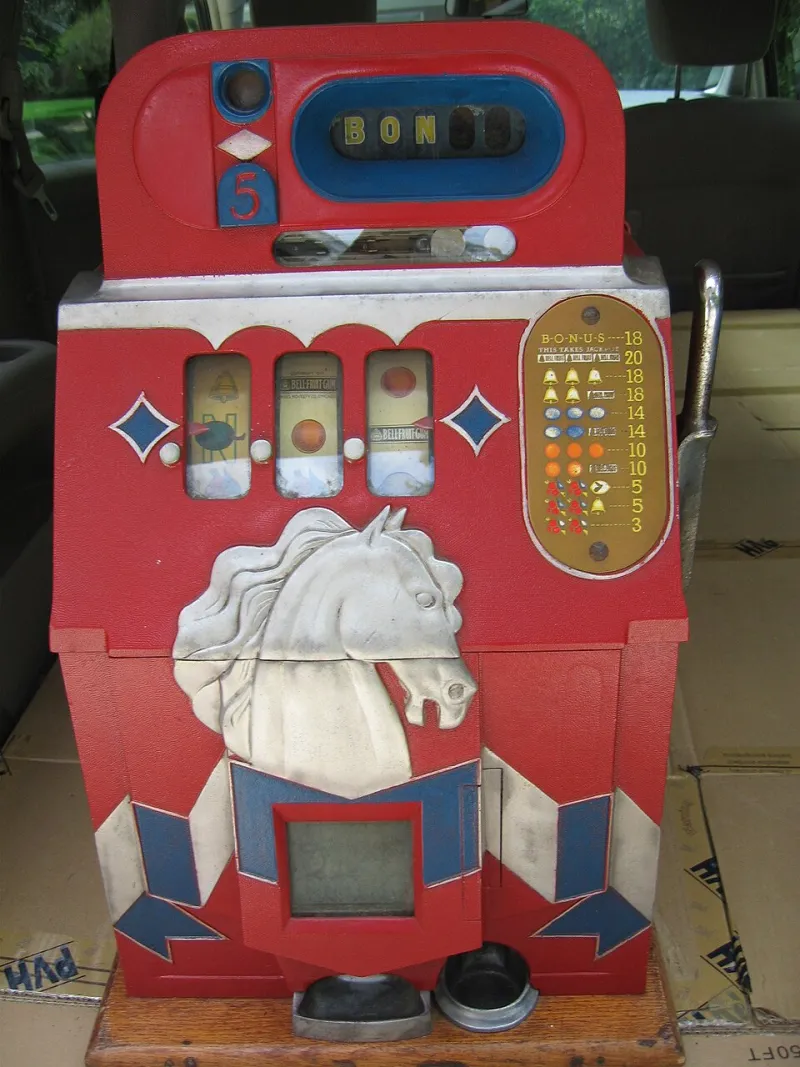
Photo: Philcomanforterie, CC BY-SA 4.0, via Wikimedia Commons
Ask anyone over forty what a casino trip looked like when they were growing up, and you'll probably hear about a chartered bus, a paper cup of free coffee, and a long strip of blinking slots somewhere off a highway exit. Fast forward to 2025, and that same highway exit now leads to a 300-room hotel, a steakhouse with a James Beard nod, a 2,500-seat theater, and a spa. The American regional casino has quietly transformed into a full-blown resort destination — and that transformation is changing what a "day trip" means for millions of players.
From Gambling Hall to Entertainment Ecosystem
The numbers tell the story. Across the country, non-gaming revenue at commercial casinos has been climbing steadily for years, and at many regional properties it now accounts for a third or more of total revenue. Foxwoods and Mohegan Sun in Connecticut built the blueprint decades ago — hotels, outlet shopping, celebrity chef restaurants, and residencies from acts that used to only play Vegas. Now it's the standard playbook everywhere from upstate New York to suburban Maryland to the Gulf Coast.
The economics are simple. A slot machine has a ceiling on what it can earn per hour. A concert ticket, a hotel room, and a $60 buffet for four do not. Regulators in most states have also loosened the rules around what a casino property can offer, which is why you can now find golf courses, water parks, and even indoor skydiving attached to gaming floors.
The New Day Tripper Gambles Less — and That's the Point
Here's the part that surprises people: the casino doesn't need you to gamble much anymore. The industry has a term for the guest who comes for the show, eats dinner, plays slots for forty-five minutes, and drives home. That guest is increasingly the target market, not the exception.
Bus tours tell the story best. Operators in the Northeast and Midwest run package deals — round-trip coach, buffet voucher, and a modest free play coupon — often priced around $30 to $50 a head. The casino reimburses the tour operator based on expected player value, which means the whole model works even if the average rider only puts $40 through the machines. The buffet is the hook. The floor is the backup plan.
For players, this is mostly good news. Competition for your weekend dollars means better restaurants, cleaner properties, and more reasons to show up that have nothing to do with the house edge.
But Check the Math on the "Experience"
Here's where a little skepticism pays off. When a resort prices a package — say, one night's stay, dinner credit, and $25 in free play for $199 — it's worth asking what each piece would cost à la carte. Hotel rates on concert weekends can double or triple. Restaurant prices on-property routinely run 20 to 40 percent above comparable spots ten minutes down the road. And that "free play" is a marketing expense priced into your room rate, not a gift.
The convenience premium is real. You're paying for not having to drive, not having to plan, and not having to leave the building. Sometimes that's worth it. Sometimes you're funding the chandelier.
A few things worth doing before you book:
- Compare the room rate to a nearby hotel. If the on-property room is more than $50–75 over a comparable off-site option, you're paying a location tax.
- Read the fine print on packages. "Dinner credit" often excludes the premium restaurants you actually want.
- Treat free play as entertainment, not bankroll. It has wagering strings attached and evaporates fast.
- Check the event calendar against local venues. That tribute band might be playing a county fair for a third of the price.
Is the All-in-One Trip Bad for Casual Gamblers?
Not inherently. If you budget $200 for a night out and walk away with dinner, a show, and a couple of hours of play, you've done fine — arguably better than a night at most major-city entertainment districts.
The risk is subtler. When gambling becomes one amenity among many, it gets easier to lose track of what you're actually spending on it. A $100 loss at the tables feels different when it's buried inside a $600 weekend. Some players find this makes them looser; the whole trip is "entertainment spend," so what's another forty at the craps table?
The fix is the same discipline that applies anywhere: decide your gambling budget before you arrive, keep it separate from the food-and-fun money, and let the resort be a resort. The buffet line will still be there when your bankroll's done — and honestly, that's the part most people remember anyway.
The Bottom Line
The regional casino day trip has evolved into something genuinely appealing: a one-stop weekend with real food, real shows, and just enough floor time to make it interesting. The properties know that players like you are the growth market, and they're pricing accordingly. Go for the experience. Just go in knowing which part of the bill is the show — and which part is the house.