Loyalty Tiers Decoded: What Casino Comps Are Actually Worth — and What's Just Bait
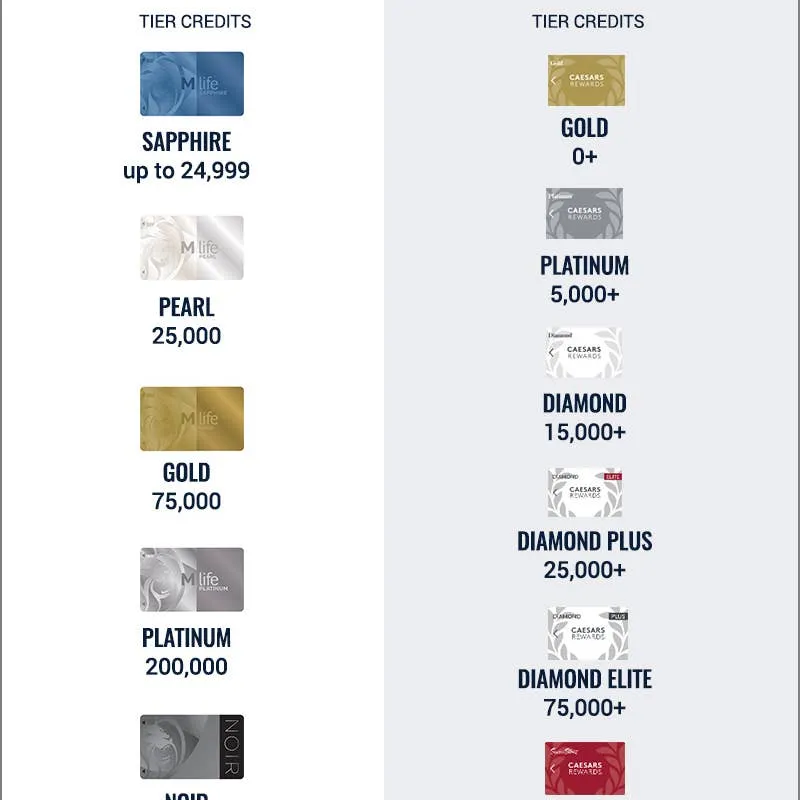
Photo: casino loyalty card rewards tier program VIP, via www.thestreet.com
Casino loyalty programs have a way of making you feel special. There's a card in your wallet with your name on it, a tier status that sounds vaguely prestigious, and a dashboard full of points ticking upward every time you sit down to play. It feels like the house is finally giving something back.
Sometimes it is. But a lot of the time, that warm feeling is doing exactly what the casino designed it to do — nudging you to play a little longer, spend a little more, and chase a threshold that's always just out of reach.
Let's pull back the curtain on how these programs actually work, what each tier genuinely delivers, and where the manipulation starts.
How Tier Systems Are Structured (And Why They're Built That Way)
Most major US casino loyalty programs — whether you're talking MGM Rewards, Caesars Rewards, or regional players like Penn Play — are built on the same basic skeleton. You earn points or tier credits based on how much you wager. Hit enough credits within a calendar year, and you climb from base level up through mid-tier, elite, and occasionally into invitation-only territory.
The structure isn't arbitrary. Casino operators spend serious money on player analytics, and the tier thresholds are calibrated to hit psychological sweet spots. The gap between the entry level and the first real upgrade is usually achievable enough to feel motivating. The gap between mid-tier and elite is steep enough to require a significant behavior change — more visits, higher bets, longer sessions.
That's the design. Keep enough players perpetually close to the next level that they're always making one more trip to close the gap.
Entry-Level Tiers: Real Perks or Just the Invitation?
At the base level — Gold, Select, Explorer, whatever the branding happens to be — the tangible benefits are pretty thin. You'll typically get a birthday bonus, access to member-only promotions, and the ability to earn free play at a slow rate.
The free play is real money, but the earn rate at this level is usually somewhere between 0.1% and 0.3% of your total wagers returned as redeemable credit. On a $200 session, that's maybe fifty cents to a dollar in actual value. Not nothing, but not the windfall the program materials imply.
What entry-level status mostly earns you is marketing access. You're now in the database, and the casino can reach you with offers, promotions, and event invites. Some of those offers will be genuinely good. Most are designed to get you back through the doors.
Mid-Tier: Where the Real Perks Start — and the Real Trap Begins
The mid-tier range — Platinum, Preferred, Signature, depending on the brand — is where comp programs start delivering something meaningful. This is typically where you unlock complimentary hotel nights, dining credits, priority check-in, and more generous free play rates.
A comped hotel room at a mid-tier property can legitimately be worth $150 to $300 on a weekend night in markets like Las Vegas, Atlantic City, or a major regional casino resort. If you were already planning to stay and gamble anyway, that's genuine ROI.
Here's the catch: to maintain mid-tier status, most programs require you to re-qualify every calendar year. That annual reset is one of the most powerful behavioral levers in the entire system. Players who hit Platinum in October suddenly find themselves grinding to re-qualify before December 31st, often making trips they wouldn't have otherwise planned.
The tier clock is always ticking, and the casino knows it.
Elite Status: Impressive on Paper, Complicated in Practice
Top-tier status — Diamond, Seven Stars, Chairman's Club — comes with genuinely impressive perks. We're talking suite upgrades, resort credits, dedicated host relationships, invitation-only events, and in some cases, airline miles transfers or luxury gifts.
For high-volume players who are going to spend that money regardless, elite status can deliver thousands of dollars in value annually. A dedicated casino host who can arrange last-minute reservations, waive fees, and comp high-end dining is a real amenity.
But here's what the glossy tier benefits guide doesn't tell you: the spend required to reach and maintain elite status in most major programs is substantial. Caesars' Seven Stars, for example, historically requires 150,000 tier credits in a year. Depending on the games you play and at what stakes, you could easily be talking about $50,000 to $100,000 in wagers to hit that mark.
Even at a 1% return on comps — which is generous — that's $500 to $1,000 in comp value on a massive amount of play. The math rarely flatters the player.
The Psychological Mechanics You Should Know About
Casinos don't just design tier thresholds — they design the emotional experience around them. A few tactics worth recognizing:
The near-miss threshold. If you're 2,000 points away from the next tier with two weeks left in the quarter, the app will tell you. Prominently. That number is calculated to feel achievable with one more visit, and it's often accurate enough to work.
Tier match offers. Many casinos will match your status from a competitor property to get you in the door. It feels like a gift, but it's an acquisition cost. Once you're playing to maintain matched status, you're exactly where they want you.
Expiring points. Points that expire create urgency. Urgency creates unplanned visits. Unplanned visits tend to involve less disciplined play.
The host relationship. A personal casino host is a genuine perk, but it's also a retention tool. When a real person calls to wish you happy birthday and mention a special offer, that social connection makes it harder to skip a trip than a generic email would.
Which Comps Actually Deliver Value
Not all of this is cynical. Some comps genuinely return value to players who would be visiting anyway. The ones worth paying attention to:
- Free play offers tied to specific visit windows — these are often the most generous per-dollar-wagered offers in any program
- Comped hotel stays when you'd be paying for the room otherwise
- Dining credits at properties with restaurants you'd actually choose — not just a buffet you're eating at because it's free
- Resort fee waivers — underrated, and worth real money at major Las Vegas properties
The comps that tend to deliver the least relative to what they cost you to earn:
- Merchandise from the rewards catalog — typically priced at inflated point values
- Logo merchandise and "exclusive" gifts — these are marketing expenses dressed as rewards
- Tier status itself — the status is only valuable if the perks attached to it are things you'd pay for anyway
Playing the System Without Letting It Play You
The members of this community who get the most out of loyalty programs tend to share one trait: they treat tier status as a byproduct of play they were going to do anyway, not a goal that shapes how much they play.
Decide what your gaming budget is. Decide how often you want to visit. Then pick the program that rewards that behavior most efficiently. If you're naturally going to hit mid-tier through regular play, great — take the comped rooms and enjoy them. If reaching the next tier would require you to add three extra trips or double your average session length, the math almost certainly doesn't work in your favor.
The casino built these programs to grow their revenue. That doesn't mean you can't benefit from them. It just means you need to know what game you're actually playing.