What the Floor Staff Actually Thinks: 7 Honest Confessions from Casino Employees
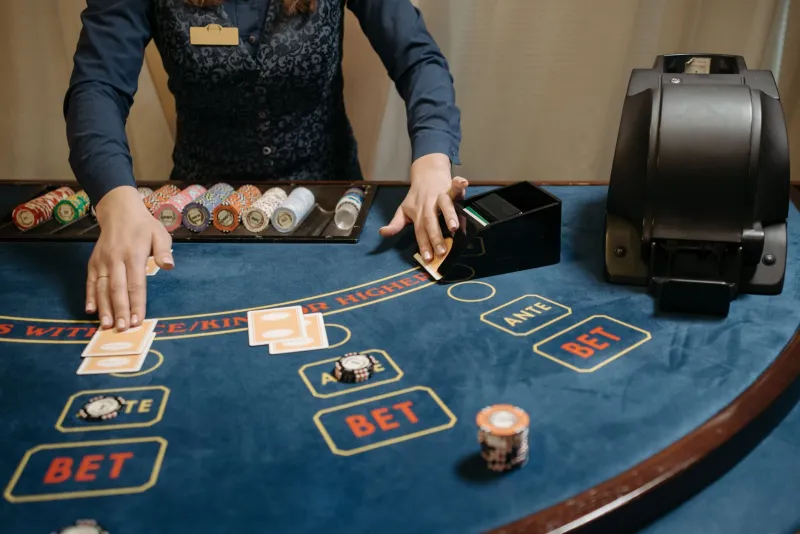
Spend enough time on a casino floor and you start to notice things. The dealer who sighs when a certain player sits down. The cocktail server who knows exactly which machines to avoid after 2 a.m. The pit boss who appears out of nowhere the moment someone starts betting big — then vanishes just as fast.
Casino employees spend more hours on the floor than the most dedicated regular, and they see everything: the winning streaks, the meltdowns, the tipping habits, the tells players don't know they have. So what do they actually talk about when they clock out?
We dug through dealer AMAs, gaming industry forums, and conversations with current and former floor staff from casinos in Las Vegas, Atlantic City, and regional markets across the country. What follows is a candid — and occasionally surprising — look at the casino from the other side of the table.
1. Dealers Can Tell Who's New in About Thirty Seconds
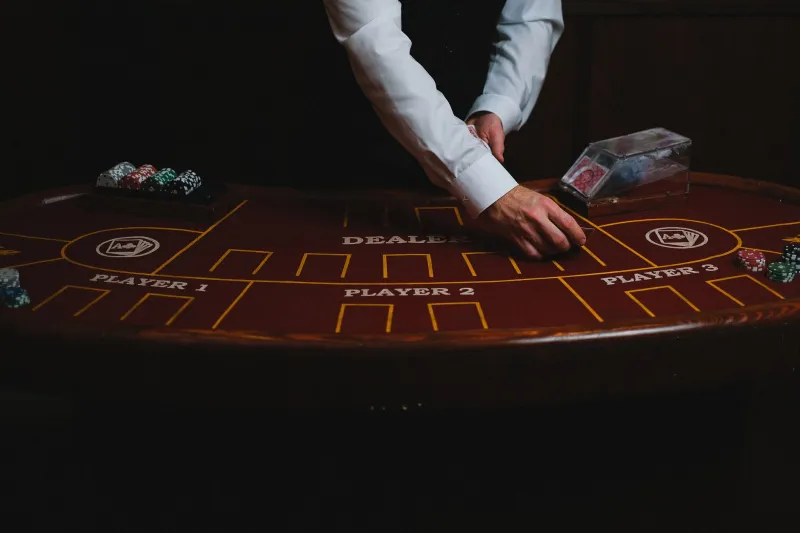
Ask any dealer and they'll tell you: experience shows. New players grip their cards too tight, second-guess basic decisions, and apologize constantly. Regulars develop rhythms — the way they stack chips, the way they tip, the way they signal a hit without saying a word.
None of this changes the outcome of a hand. Cards don't care how confident you look. But dealers notice, and it shapes the vibe at the table. A relaxed table tends to stay relaxed; a nervous one feeds on itself. If you want to feel less like a tourist, the advice from staff is consistent: learn the basic flow of the game before you sit down, and don't be afraid to ask questions. Dealers would rather answer a quick question than untangle a confused hand.
2. Tipping Gets Remembered — But Not the Way Players Think
Here's a persistent myth: tip well and the dealer will "help you out." Let's kill that one right now. Dealers can't influence cards, and anyone suggesting otherwise is selling you a story.
What tipping actually does is social. Dealers talk among themselves, and known good tippers get a warmer table — more patience, more banter, a better overall experience. Players who bet for the dealer (placing a small side bet "for the house") earn genuine goodwill. Players who win big and tip nothing also get remembered, just not fondly. It won't change your odds, but it absolutely changes your night.
3. The Squeeze Isn't Personal — But It Is Real
Floor supervisors have a job to do: watch the games, watch the money, and watch the players. If you're betting big, varying your bets dramatically, or winning consistently, expect attention. That's not suspicion of you personally — it's surveillance doing exactly what it's designed to do.
Insiders are quick to point out that ordinary players playing ordinary strategies have nothing to worry about. Counting cards isn't illegal in the US, but casinos are private businesses and can ask anyone to leave or switch games. The staff's perspective? Most players who think they're being watched for advantage play are really just being watched because they're betting large. That's the whole story.
4. Cocktail Service Is a Science — and a Trap
Cocktail servers know their floors like chessboards. They know which sections tip, which machines attract long sessions, and which players are drifting into trouble. Several former servers described quietly flagging players who seemed to be drinking too fast — not to get them cut off faster, but to make sure someone kept an eye on them.
The part players should hear loud and clear: free drinks are a house strategy, full stop. Loosened judgment and loosened budgets go hand in hand. The staff knows it, the casino knows it, and the players who do best are the ones who know it too. Order the drink. Sip it slowly. Keep your head in the game.
5. The Saddest Losses Aren't the Big Bets
Ask casino employees what sticks with them, and the answer is rarely the high roller who dropped six figures. It's the regular who stayed one hour too long. The person chasing a loss they couldn't afford. The player who talked about rent money at the ATM.
Staff across the industry describe a quiet culture of concern — dealers who could spot the difference between someone having fun and someone hurting. Most US casinos offer self-exclusion programs and responsible gambling resources, and employees are often the first to notice when someone needs them. If you've ever wondered whether anyone on the floor notices when things go sideways for a player: they do.
6. The Machines Really Don't Know Who You Are
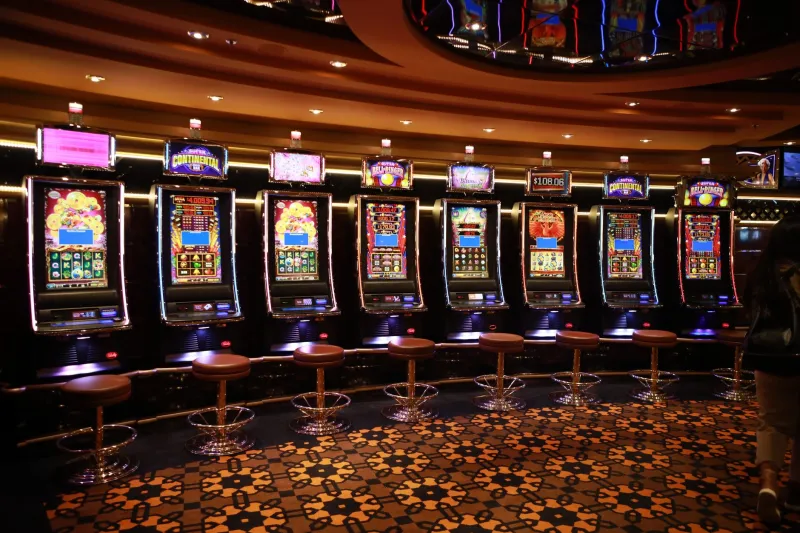
Dealers and slot attendants hear it constantly: "This machine is due," or "That one never pays." Insiders find it darkly funny. Modern slots run on random number generators that cycle thousands of outcomes per second. The machine doesn't remember your last session, your birthday, or the fact that you've been feeding it twenties for an hour.
Slot attendants will tell you the only things that actually matter are the paytable and the denomination. Everything else is pattern-seeking — the same human instinct that makes us see faces in clouds. Knowing the staff finds these theories amusing is a decent reality check in itself.
7. Most Employees Are Rooting for You to Have a Good Night
It sounds sentimental, but it comes up in nearly every interview and AMA: dealers don't hate players. They don't root for the house in any meaningful sense — they're paid whether you win or lose. What they want is a table with energy, players who are pleasant, and a shift that goes by fast.
The best players, according to staff, aren't the biggest spenders. They're the ones who treat the experience like entertainment — win some, lose some, tip when they can, and walk out when the fun stops. It's the same advice this community gives each other every day, just confirmed from the people who see a thousand players a week.
The Takeaway
Casino employees aren't a mysterious arm of the house working against you — they're working professionals with sharp eyes, dry humor, and a front-row seat to human nature. The more you understand their perspective, the more clearly you'll see the floor yourself: the games are random, the drinks are strategic, the surveillance is routine, and the best nights come from playing smart and knowing when to call it.
Next time you sit down, say hi to your dealer. They've got stories — and now you know a few of them.