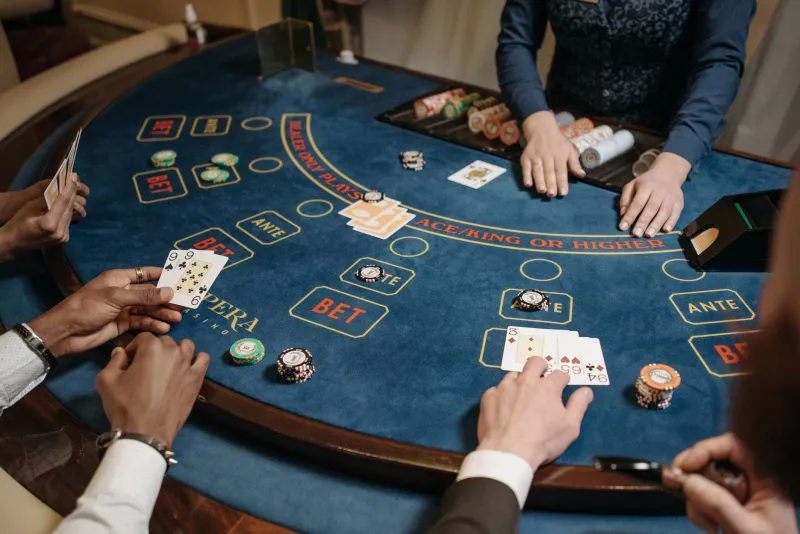
The Longest Walk in the Building: What Happens to Your Brain Between the Restroom and the Blackjack Table
There's a moment every casino regular knows by heart. You've been at the same blackjack table for two hours. The shoe's been cold, the dealer's friendly but unbothered by your misfortune, and you finally push back your chair. You cash out — or don't — and you take the walk. Restroom. Smoke break maybe. A detour past the sportsbook to check scores.
Then you come back. And here's the thing nobody wants to admit: the decisions you make in the ninety seconds after that walk back are, statistically speaking, probably the worst ones you'll make all night.
The Reset Ritual Is Real — and It's Lying to You
Ask around any casino floor from Reno to Atlantic City and you'll hear the same language. "I needed to reset." "Wanted a fresh start." "Felt like a new session."
Dr. Elena Marsh, a behavioral psychologist who studies gambling cognition, calls it the "temporal landmark effect." Humans love clean breaks — new years, new months, Monday mornings. A walk to the restroom and back functions as a miniature version of the same thing. Your brain files the previous session under "done" and opens a brand-new ledger.
The problem? The casino didn't reset. Your bankroll didn't reset. The house edge on that pai gow table didn't reset. Only your feeling about the situation reset — and that feeling is often manufactured confidence wearing a fresh coat of paint.
"The break itself isn't the danger," Marsh explains. "The danger is the narrative players attach to it. 'I was chasing before, but now I'm clear-headed.' That sentence is where discipline goes to die."
Why the Walk Back Beats Any Other Moment of the Night
Think about the other decision points in a casino visit. Sitting down the first time? You're usually sober-ish, alert, and operating on your planned budget. Mid-session tilt? Painful, but at least you feel the frustration — it's visible to you.
The walk back is sneakier. You've moved your body, stretched, maybe grabbed a free drink refill. Your physical state improved slightly. Your brain interprets that physiological uptick as psychological clarity. It's a classic somatic marker misfire: feeling better translates to "thinking better," even when nothing about your judgment has changed.
Veteran floor regulars see it constantly. "Guys come back from the bathroom with this little bounce in their step," says Ray, a craps player who's logged thousands of hours at tables in Vegas and Biloxi. "That bounce is expensive. That's when they buy back in bigger, or jump to a higher-limit table, or start making prop bets they'd sworn off an hour ago."
There's also the sunk-cost whisper. The break gives you just enough distance to forget the sting of the last losing streak, which makes it easier to talk yourself into "winning it back" with a more aggressive approach. The reset doesn't erase the losses — it just files them somewhere you can't feel them.
The ATM Detour Makes It Worse
Notice how the reset ritual often includes a cash machine stop? That's not a coincidence, and it's not an accident of architecture. Cash access on casino floors is deliberately positioned along the natural paths players walk.
A break that includes a withdrawal reframes the whole night. You're no longer deciding whether to continue playing — you're deciding how much the next session gets. That's a much easier question to answer badly, especially with the ambient justification of "starting fresh."
Making the Walk Work For You
None of this means you should hold it until you get to your hotel room. Breaks are genuinely good — they interrupt tilt, they get you vertical, they give your decision-making a chance to cool down. The fix isn't avoiding the walk. It's changing what you do with it.
Attach a real decision to the break. Before you stand up, decide in plain terms: "If I come back, I'm playing my remaining $80 at this stake, and when it's gone, I'm done." Say it out loud if you have to. A reset without a stated plan is just a permission slip.
Change your return criteria, not just your mood. Instead of coming back because you feel fresh, come back because a specific condition is met — a table with better rules opened up, a friend texted, your designated stop time arrived. Mood is not a criterion. It's a weather report.
Watch the buy-in number. If your post-break buy-in is consistently bigger than your first buy-in of the night, that's not a reset. That's escalation wearing a disguise. Track it for a few trips and the pattern will embarrass you into honesty.
Use the walk as a real audit. Two minutes in a hallway is enough time to answer one question: "Am I having fun, or am I working on a comeback?" If the honest answer is the second one, the best move the reset ritual can offer is the exit door.
The 60 Seconds Nobody Talks About
Casino marketing is built around the illusion of fresh starts — new sessions, new shoes, new hands, new you. The walk back from the restroom is where that illusion does its quietest, most effective work. It feels like a clearing of the head. It's usually just a clearing of the memory.
The players who last in this hobby aren't the ones who never take breaks. They're the ones who treat the return trip as the highest-stakes moment of the night — because it is. You don't have to win the walk back. You just have to stop letting it make your decisions for you.