One Table, One Game, One You: The Case for Going Deep Instead of Wide

Photo by Photo by Julian Gojani on Unsplash on Unsplash
There's a certain type of casino visitor we've all seen — and, if we're honest, most of us have been. They wander from the craps table to a slot bank to the blackjack pit to the sportsbook kiosk, dropping twenty bucks at each stop, learning nothing anywhere. By the end of the night, they've got stories but no skills, and their bankroll looks like a crime scene.
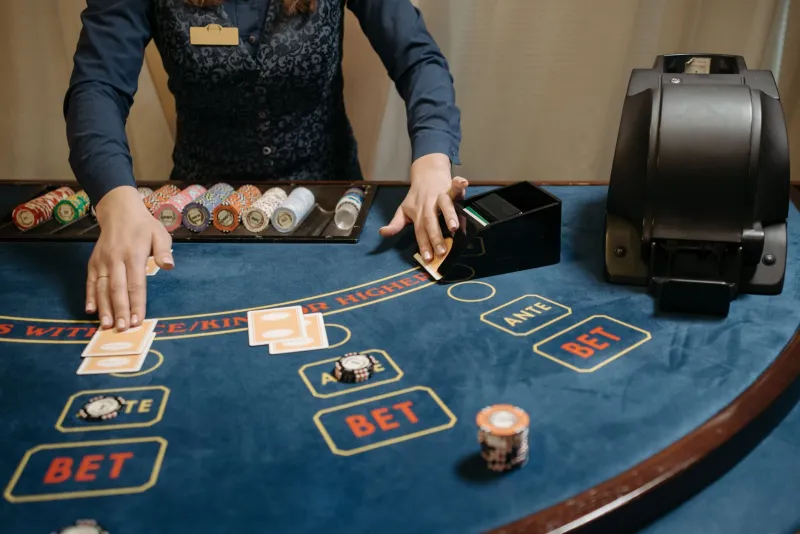
Then there's the other player. The regular who slides into the same seat at the same $10 blackjack table every Friday, plays the same measured strategy, and walks out knowing exactly what their night cost and what they got for it. Guess which one the '1' in 1 Casino Club is really about.
Novelty Is Expensive
Casinos are engineered to reward curiosity. Every flashing sign and open seat whispers that the next game might be your game. But novelty has a hidden price tag: every time you switch games, you reset your learning curve to zero.
Poker players figured this out decades ago. The grinder who plays one format, one stake, one table selection strategy will eat the generalist alive. The same logic applies to the recreational floor. Twenty sessions of video poker teaches you something. Twenty sessions spread across twenty games teaches you almost nothing except which free drinks come fastest.
There's a real psychological comfort in dabbling, too. If you lose at slots, you can blame the machine. If you lose at roulette, the wheel was cold. Specializing strips away those excuses — and that's exactly why it works. When one game is your game, the only variable left is you.
The Compounding Effect of Focus
Skill in gambling compounds like interest. Learn basic strategy for blackjack and the house edge drops from around 2% to under half a percent. Learn proper video poker paytable selection and optimal play, and some machines in Vegas and Reno dip below a 1% edge. None of that knowledge transfers if you're splitting your attention five ways.
Focus also changes how you experience the game itself. The first ten hours of blackjack are noise. Around hour fifty, you start seeing the game — the dealer's rhythm, the table's mood, the way your own decisions drift when you're tired. That's the point where a casino visit stops being pure luck consumption and starts being a craft. And crafts are satisfying in a way that random entertainment never is.
Your Bankroll Finally Means Something
Here's the unglamorous truth: tracking results across multiple games is a mess. What did you win at craps? What did the slots eat? Most multi-game players can't answer, so they just remember the wins and forget the losses.
Specialists track cleanly. One game means one honest ledger. You know your average session cost, your realistic hourly rate of play, and whether that 'lucky streak' last month was real or selective memory. That clarity is the foundation of every sustainable gambling habit — treating the money as an entertainment budget with measurable returns in fun.
And yes, the comps get better too. A player card that shows consistent, focused play at one pit builds tier credit faster and more credibly than scattered spillover. The host notices the regular at one table. They don't notice the tourist everywhere.
But Isn't Variety the Whole Point of a Casino?
Fair pushback. If your goal is sensory overload and a story for the group chat, wander away — nobody's stopping you. But there's a difference between a night out and a hobby, and specialization doesn't kill variety. It just moves it.
Specialists vary in other dimensions: different casinos, different table limits, different session lengths, day trips versus overnight runs to places like Biloxi or Tunica. The game stays constant so everything around it can change. It's like being a regular at one great diner instead of eating forgettable food at twenty.
How to Pick Your One
A few practical filters if you're ready to commit:
- Pick a game with decisions. Blackjack, video poker, or poker reward study. Slots don't, so if you want mastery, choose a game where skill actually exists.
- Match the pace to your temperament. Fast, social, and loud? Craps or a lively blackjack pit. Quiet and methodical? Video poker machines are your monastery.
- Check the availability near you. Your 'one game' should be reliably playable at stakes you can afford, whether that's a Vegas trip or the tribal casino two counties over.
- Commit for a season, not a lifetime. Give it 40–50 sessions before you judge. That's roughly the point where the learning curve flattens and the real game begins.
The Identity Shift
The deepest change isn't mathematical — it's psychological. Dabblers gamble to feel something. Specialists gamble to do something. That shift from passive entertainment to active practice is what separates players who last decades from players who burn out in a year.
One game. One discipline. One honest ledger. It's a lot less glamorous than the casino's version of excitement — and a lot more likely to still be fun five years from now.