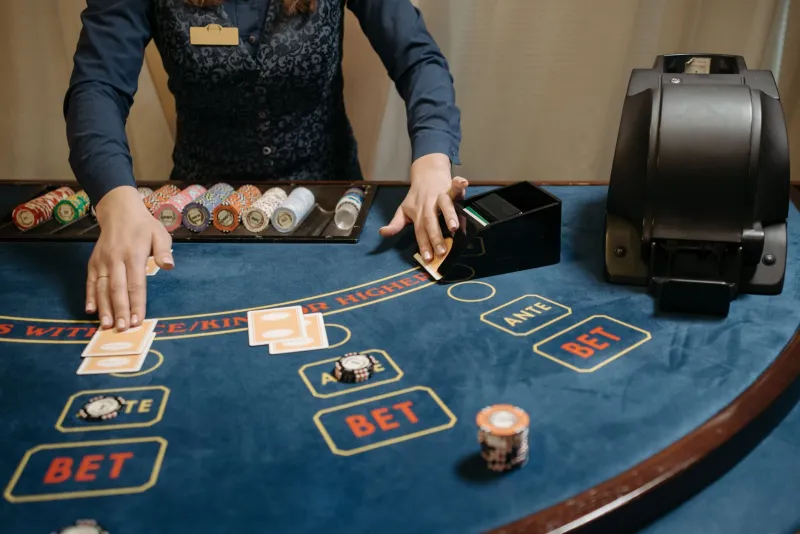
The Circuit Breaker You Build Yourself: How Player Accountability Beats Solo Willpower

Every gambler has a story that starts the same way: I was fine until I wasn't.
Maybe it was a Tuesday night at a tribal casino in upstate New York. Maybe it was a 2 a.m. sportsbook app session that started with a $50 parlay and ended somewhere you don't want to admit. The details change. The pattern doesn't. You had a limit, you had a plan, and then — alone, tired, and down $300 — the plan evaporated.
Here's the uncomfortable truth about the mental game: willpower is a terrible bodyguard. It's tired when you're tired, it's compromised when you're losing, and it never, ever talks back. Which is exactly why the players who last in this hobby don't rely on it. They build something better: a circuit breaker made of other people.
Why Going Quiet Is the Real Warning Sign
Ask around any gambling forum and you'll hear the same confession phrased a dozen ways. A guy from Ohio put it plainly in a thread last spring: "The second I stopped texting my buddy my session results, I was already in trouble. The silence came before the losses did."
Psychologists have a name for part of this. When we're losing, shame kicks in, and shame makes us hide. Hiding removes the last external check on our behavior. Suddenly it's just you, the machine, and the story you're telling yourself — one more buy-in and I'm even.
Chasing losses isn't really a money problem. It's an isolation problem. The casino floor — or the sportsbook app glowing on your couch — is engineered to be a private experience. Nobody at 3 a.m. is checking your math. That's the vacuum, and solo willpower has never once filled it successfully.
The Forum-Style Playbook: Limits Out Loud
So what does accountability actually look like in practice? Not a lecture. Not a helpline pamphlet. Something more casual — and more effective.
The most common version among community players goes like this:
1. You post your bankroll and session limit before you play. Not to the whole internet — to two or three people who'll actually notice if you go quiet. "$200 session, walking at 10 p.m., win or lose" is the whole message.
2. You define your loss trigger in advance. This is the part most people skip. A loss trigger isn't your limit — it's the point where a check-in happens. Down $150 of your $200? Your accountability partner gets a text. The friction of having to report a loss is often enough to stop the chase before it starts.
3. You debrief after, win or lose. A two-line text. "Hit the limit, walked. Kind of tilted but fine." That tiny ritual does something remarkable: it converts the session from a private emotional event into a shared, narrated one. And narrated things are much harder to spiral on.
A player in a Vegas regulars' group described it as "having a spotter at the gym. You can bench alone. But you lift different when someone's watching the bar."
The Debrief Is the Secret Weapon
Here's what surprised me most digging into this: the post-session check-in matters more than the pre-session limit.
Limits are easy to ignore in the moment. But knowing you'll have to tell someone what happened changes how you play while it's happening. Behavioral researchers call this anticipated accountability — the awareness of a future report reshapes present decisions. It's the same reason food diaries work for dieters before a single calorie is counted.
And when the session goes badly? The debrief is where the spiral gets intercepted. Instead of marinating in the loss overnight — which is where chase sessions are born — you've externalized it within the hour. Someone responds, "Rough one. That's the budget doing its job. See you Thursday." The loss becomes a data point instead of a wound.
Why No Casino Will Ever Build This for You
Let's be neutral about it: casinos are businesses, and every element of the floor is designed to extend play. Comfy chairs, no clocks, free drinks, one-tap re-up buttons on the apps. Responsible gaming tools exist — deposit limits, cool-off periods — and you should use them. But they're all opt-in and all self-enforced. The house will never text you at 11 p.m. asking how the session went.
A player community is the only circuit breaker with skin in the game on your side of the table. That's not an accusation; it's just structure. The scoreboard is not on your team. Your people are.
Start Smaller Than You Think
You don't need to join a support group or post your bankroll publicly. Start here:
- Pick one person who gambles or at least gets it.
- Send your session limit before you head out or open the app.
- Send one line after — result and mood, nothing more.
- Agree in advance on what a loss trigger text looks like.
That's it. Four habits, maybe ninety seconds of total effort per session.
The smartest players in any community will tell you the same thing in different words: the game was never about out-thinking the casino. It's about out-structuring yourself. Willpower plays alone and loses. Accountability brings a crew — and in the long run, that's the edge that actually compounds.