Sixty Miles to the Nearest Blackjack Table: The Real Geography of American Gambling
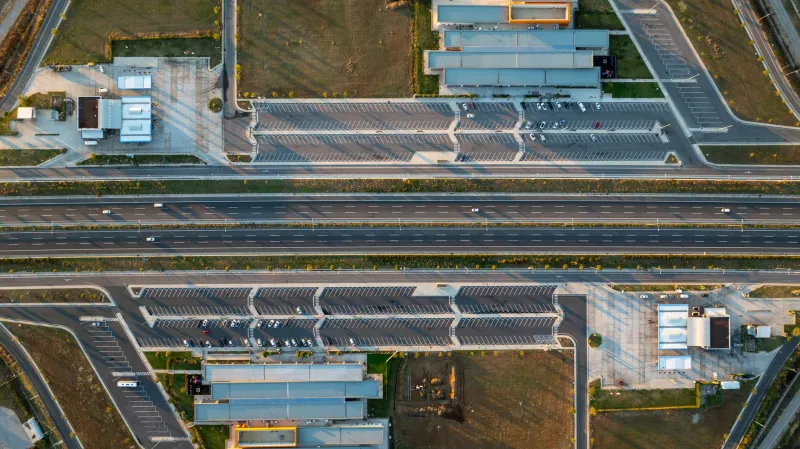
Ask ten gamblers how far they drive to their favorite casino and you'll get ten wildly different answers. Someone in Las Vegas says fifteen minutes. A regular in rural Iowa says two hours, and they've made that drive every other Saturday for a decade. Same hobby, completely different relationship with the road.
Here at 1 Casino Club, our forums have been chewing on this question for months: does the drive itself change the kind of gambler you become? Turns out, the answer is a pretty emphatic yes.
The Map Is Not What Most People Picture
The mental image most Americans have of casino access is the Vegas Strip or Atlantic City's boardwalk. But the actual map looks nothing like that. Commercial casino resorts are concentrated in a handful of states, while tribal gaming operations — which often fly under the national radar — blanket the interior of the country. States like Oklahoma, Minnesota, and Wisconsin have dozens of gaming floors within reasonable driving distance of most residents, while states like Tennessee and Utah have effectively zero.
The result is a patchwork. Roughly two-thirds of American adults live within a couple hours' drive of some form of legal casino gaming. But "some form" covers a lot of ground — everything from a full Vegas-style resort to a converted riverboat with six tables and a gas station across the parking lot.
What Drive Time Does to Your Bankroll
Spend any time in our player forums and a pattern emerges: the longer the drive, the more structured the trip.
The under-30-minute crowd treats the casino like a neighborhood bar. They pop in after work, play for an hour, and head home. Their sessions are short, frequent, and often loosely budgeted — precisely because the trip is low-stakes in every sense. If the night goes sideways, there's no sunk cost in gas and dinner to chase back.
The one-to-two-hour crowd plans. They're the ones booking the Friday night, setting a spending limit before they leave the driveway, because the drive has already made the evening an event. A bad session on top of a long drive stings differently.
The three-plus-hour crowd is practically a different species. These are the overnighters — the bus tour regulars, the hotel-room bookers, the folks who've turned a monthly pilgrimage into a full social ritual. Their budgets are bigger by necessity, but so is their discipline. When a Vegas trip costs airfare and a hotel, the gambling itself becomes one line item in a larger entertainment spend.
There's a real psychological principle at work here, and it's one our Player Psychology readers will recognize: the more effort invested in getting somewhere, the more deliberately people tend to behave once they arrive. Distance, oddly enough, can be a built-in cooling-off mechanism.
A Quick Tour of Casino Geography
Nevada is the obvious outlier — a whole state built around proximity. Locals markets like Henderson and Summerlin have created a breed of gambler who plays daily at neighborhood joints, a lifestyle that simply doesn't exist elsewhere at the same scale.
Mississippi tells a different story. The Gulf Coast casinos and the riverboats up in Tunica County draw from a wide rural radius. For plenty of players in the Delta, the casino trip is the night out — dinner, a show, and a few hours at the tables all rolled into one destination.
The Upper Midwest runs on tribal gaming. Players in the Dakotas and Minnesota might drive ninety minutes past three smaller properties to reach the one they actually like — loyalty here is earned, not defaulted to by geography.
The Northeast corridor is the opposite: density. With properties dotting Connecticut, Pennsylvania, New York, and New Jersey, choice is abundant, and switching costs are near zero. Loyalty programs fight hardest for these players because the competition is literally a highway exit away.
Las Vegas visitors, meanwhile, are their own category — the day-trippers from Southern California who've turned the I-15 into a four-hour ritual, timing departures around traffic like it's a launch window.
The Commute Is Part of the Culture
What struck us most in pulling this together is how much of casino culture is really road-trip culture. The shared shuttle from the parking lot, the ride-home debrief about the hand that got away, the buddy who always volunteers to drive because he's the designated winner — these rituals are as much a part of the American casino experience as anything happening on the floor.
So here's a question for the comments: how far is your regular drive, and has it changed the way you play? Because if there's one thing the map makes clear, it's that in America, the casino experience starts the moment you turn the key — long before you ever hear the first slot chime.