The 2026 US Casino Map Is Changing Fast — Here's What Players Need to Know Right Now
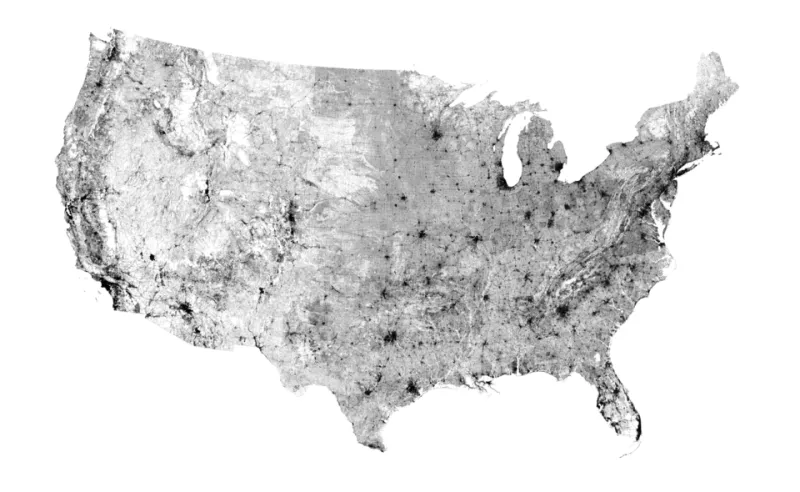
Photo: WClarke, CC BY-SA 4.0, via Wikimedia Commons
If you haven't checked what's happening with gambling legislation in your state lately, now's the time to look up. The US gaming market in 2026 is one of the most active regulatory environments in decades, with new commercial casinos breaking ground, tribal compacts being renegotiated, and online gaming frameworks advancing in legislatures that were completely closed to the idea just a few years ago.
For players, this isn't just policy news — it means real new options, potentially closer to home than you'd expect. At 1 Casino Club, we've been tracking the developments state by state to bring you a clear, no-jargon breakdown of where things stand and what it means for your gaming life.
Why 2026 Is a Pivotal Year for American Gaming
A few converging factors are driving the acceleration. Post-pandemic budget pressures pushed many state legislatures to take a harder look at gaming tax revenue as a funding mechanism for education, infrastructure, and public services. Meanwhile, the normalization of sports betting — now legal in over 30 states following the 2018 Supreme Court ruling that struck down the federal ban — has made expanding other forms of gambling feel less politically radioactive.
Add in the growing economic track record of regulated online casino markets in states like New Jersey, Pennsylvania, Michigan, and West Virginia, and you've got a blueprint that other states are actively studying and beginning to replicate.
"The momentum is real and it's bipartisan in a lot of places," notes gaming industry analyst Marcus Webb, who contributes commentary to several regional gaming publications. "Revenue numbers from the early-adopter states have been hard to ignore. When Michigan pulls in over $2 billion in online gaming revenue in a single year, neighboring states start doing math."
States to Watch: Where New Doors Are Opening
New York
New York's commercial casino expansion has been one of the biggest stories in American gaming this year. The state awarded three downstate casino licenses — a process years in the making — with proposed developments in the New York City metro area drawing enormous attention. Depending on how construction and regulatory timelines shake out, New York City-area players could have major new land-based options within a few years. Online casino legislation has also seen renewed debate in Albany, though no bill has cleared both chambers yet.
Texas
Texas remains one of the most-watched states for potential expansion, even though progress is slow. Constitutional amendments required to legalize destination-style casinos have been discussed in the legislature but haven't yet reached voters. Tribal gaming operations continue under existing federal frameworks. Many industry observers believe a ballot measure could eventually pass given strong polling support among Texas residents — it's a question of legislative will, not public appetite.
Georgia
Georgia has been inching toward expanded gaming for several sessions now. Lottery-adjacent gaming, sports betting proposals, and even resort casino concepts have all circulated through the state capitol. In 2026, the conversation has picked up steam again, with some analysts predicting a ballot measure on commercial casinos could reach Georgia voters within the next election cycle.
North Carolina
North Carolina made news in 2023 by legalizing sports betting, which launched in early 2024. The state also has an established tribal gaming presence through the Eastern Band of Cherokee Indians. While full-scale commercial casino expansion hasn't been on the immediate agenda, the sports betting rollout has opened the door to broader gaming conversations among legislators.
Nebraska
Nebraska's commercial casino expansion, approved by voters in 2020, has been steadily rolling out with new properties opening across the state. For players in the Midwest, this has created genuinely new local options that didn't exist just a few years ago. The state's racing and gaming commission has been licensing facilities at a measured pace throughout 2024.
Mississippi and Louisiana
Both states have active gaming markets but are navigating conversations about modernization — particularly around mobile wagering and online platforms. Neither has crossed into full online casino legalization, but regulatory discussions are ongoing, and regional operators have been lobbying actively.
Online Casino Expansion: The Quieter Revolution
Land-based openings get the headlines, but the more consistent growth story in 2026 is online. States with existing iGaming frameworks are seeing record-breaking numbers, and the legislative pipeline suggests more states are approaching a tipping point.
Delaware, New Jersey, Pennsylvania, Michigan, West Virginia, and Connecticut currently allow online casino gaming in some form. Rhode Island added sports betting in 2023 and has shown openness to broader iGaming. Several other states have active bills in various stages — Maryland, Indiana, and Illinois among them.
For players, the practical implication is straightforward: if you're in a state that legalizes online casino gaming, you'll gain access to licensed, regulated platforms with consumer protections, verified RNG (random number generator) systems, responsible gaming tools, and legitimate recourse if something goes wrong. That's a meaningful upgrade over gray-market alternatives.
What This Means for Players on the Ground
If you're trying to figure out how to navigate all of this, here's a practical framework:
Check your state's gaming commission website. Every state with regulated gaming has a commission or control board that publishes licensing updates, approved operators, and regulatory changes. It's the most reliable primary source available.
Don't assume proximity equals access. A new casino opening 45 minutes from you doesn't automatically mean it's open for business tomorrow. Phased openings, licensing delays, and construction timelines mean the gap between announcement and accessible play can be 12-36 months.
For online play, stick to licensed operators. When a new state market opens, there will inevitably be unlicensed sites trying to capture early traffic. Licensed operators will be listed on your state's gaming commission website. If a site isn't on that list, proceed with serious caution.
Watch for player bonuses around market launches. New market launches are typically when licensed operators offer their most competitive welcome bonuses and promotions. Being an early mover in a newly regulated state market can mean genuinely favorable offers.
Stay Connected With the 1 Casino Club Community
Legislation moves fast and details matter. In our 1 Casino Club forums, players from across the country share real-time updates when new venues open in their areas, flag changes in online operator availability, and compare notes on new gaming options as they come online.
If you're in a state that's in the middle of a regulatory shift — or you're just trying to figure out what's actually available to you legally — it's worth dropping a post and hearing from players who are already navigating the same landscape.
The American casino map has always been a patchwork. In 2026, that patchwork is getting bigger, more varied, and — in many places — more player-friendly than it's ever been.