Your ZIP Code Changes the Game: A 2024–2025 Regional Breakdown of US Casino Advantage Rules
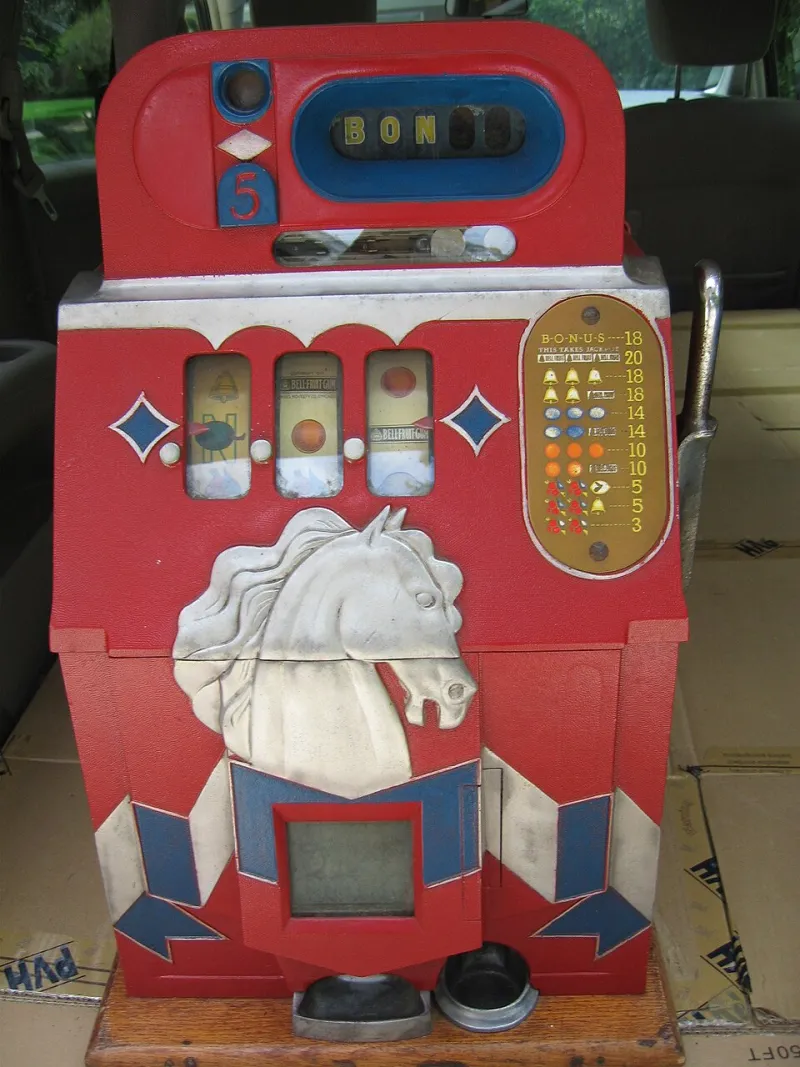
Photo: WClarke, CC BY-SA 4.0, via Wikimedia Commons
Here's something most casual players don't think about: two blackjack tables, same rules posted on the felt, can offer meaningfully different experiences depending on which state — or which type of casino — you're sitting in. Regulatory frameworks, tribal compacts, payout minimums, and responsible gaming requirements all vary significantly across the US. And those differences have real consequences for players.
At 1 Casino Club, we hear from players all over the country, and one of the most common questions we get is some version of: "Is it worth driving to the casino in the next state over?" The honest answer is: sometimes, yes — but it depends on what you're looking for. Let's break it down.
Nevada: Still the Benchmark, But Not Always the Best Deal
Nevada remains the gold standard for casino variety and competition, and competition generally benefits players. With hundreds of properties across the state — from the Strip to downtown Reno to smaller locals casinos — operators have real incentive to offer better rules to attract repeat business.
For blackjack specifically, Nevada (especially off-Strip and downtown Vegas) still offers some of the most player-friendly rule sets in the country: single-deck games, 3:2 blackjack payouts, and liberal doubling rules are easier to find here than almost anywhere else. Video poker returns at locals casinos like those in the Boulder Strip area have historically been excellent, with some full-pay Deuces Wild and 9/6 Jacks or Better machines still in circulation as of late 2024.
The catch? The Strip has quietly eroded many of these advantages over the past decade. 6:5 blackjack is now common on the Strip, and finding a genuinely favorable table game setup requires research. Don't assume Vegas automatically means player-friendly — it increasingly depends on which property and which floor you're on.
New Jersey: Tight Regulation, Strong Player Protections
New Jersey's casino market, centered in Atlantic City and now extended through robust online gaming, is among the most tightly regulated in the US. That's a mixed bag. On one hand, the rules can be less flexible than Nevada — you won't find the same variety of table game configurations. On the other hand, the Division of Gaming Enforcement provides a level of consumer protection that's genuinely meaningful.
For players who care about dispute resolution, responsible gaming infrastructure, and the confidence that games are being audited properly, New Jersey is one of the better environments in the country. The state's online casino market (legal since 2013) also offers some of the most competitive bonus structures and return-to-player requirements in the US digital space, making it a strong choice for players who prefer online play.
Atlantic City's physical casinos have been consolidating, but the remaining properties — Borgata, Hard Rock, Ocean Casino Resort — are substantial operations with competitive table game offerings.
Tribal Casinos: Wide Variation, Hidden Gems, and a Few Pitfalls
This is where things get genuinely complex. Tribal casinos operate under the Indian Gaming Regulatory Act (IGRA) and negotiate their specific terms through compacts with individual states. That means the rules, payout structures, and player protections at a tribal casino in California can look completely different from one in Wisconsin or Washington State.
Some tribal casinos — particularly in states with more competitive markets or where the compact terms are favorable — offer excellent player conditions. Certain properties in the Pacific Northwest and the upper Midwest are well-regarded among serious players for their table game rules and honest slot return rates.
Others, particularly in states where the tribal casino has a geographic monopoly, have less competitive offerings. Without nearby alternatives, there's less market pressure to improve player conditions. This isn't a knock on tribal gaming broadly — it's just a market reality worth understanding before you make a long drive.
The practical advice: if you're near a tribal property, look it up in player forums (like the ones here at 1 Casino Club) before assuming the rules are favorable. Community knowledge is genuinely valuable here.
The Midwest and Gulf Coast: Regional Competition Heating Up
States like Illinois, Indiana, Michigan, and Missouri have seen significant casino expansion in recent years, and the increased competition is showing up in player conditions. Michigan in particular has emerged as a notable market — both for its commercial casinos in Detroit and for a growing tribal casino presence across the state. Michigan's online gaming market, launched in 2021, is also maturing quickly and is now considered one of the more competitive digital markets in the US.
The Gulf Coast — Mississippi, Louisiana — has long been a reliable regional option. Mississippi's rules around minimum bets and game variety have historically been reasonable, and the Biloxi market offers genuine competition. Louisiana's riverboat and land-based properties vary more widely in quality, but the regulatory environment is relatively stable.
The Northeast and Mid-Atlantic: A Patchwork of Approaches
Pennsylvania, Maryland, Connecticut, and New York have all expanded gaming significantly in recent years, but the regulatory approaches are a patchwork. Pennsylvania has emerged as one of the larger commercial gaming markets in the US and has invested seriously in both responsible gaming infrastructure and competitive online gaming. The state's slot machine return requirements are among the more transparent in the country.
Connectucky's Foxwoods and Mohegan Sun remain two of the largest casinos in North America and offer extensive game variety, though their position as dominant regional operators means the competitive pressure to improve player conditions is limited compared to, say, Nevada.
New York's commercial casino market is in active flux heading into 2026, with major downstate casino licenses still being finalized. Players in the region should watch this space — the arrival of major commercial operators in the New York City metro area could significantly reshape the Northeast competitive landscape.
What Should Actually Drive Your Decision?
When you're thinking about where to play, here's a practical framework:
For table game players: Research the specific rules at the specific property. Look for 3:2 blackjack payouts, favorable dealer rules (stand on soft 17), and liberal doubling/splitting options. These details matter more than the general reputation of a region.
For slot players: States with published return-to-player minimums (Nevada, New Jersey, Pennsylvania, Michigan) give you at least a baseline guarantee. Properties in monopoly markets — tribal or commercial — have less incentive to run loose machines.
For player protections: New Jersey and Pennsylvania are generally considered the strongest regulatory environments for consumer protection. If dispute resolution and game integrity matter to you, these markets offer more recourse.
For value overall: Competition is your friend. Markets with multiple competing properties — Vegas, Atlantic City, Detroit, Biloxi — tend to offer better conditions than monopoly markets, almost by definition.
Your zip code really does change the game. The more you understand the landscape, the better equipped you are to make smart choices about where and how you play.